
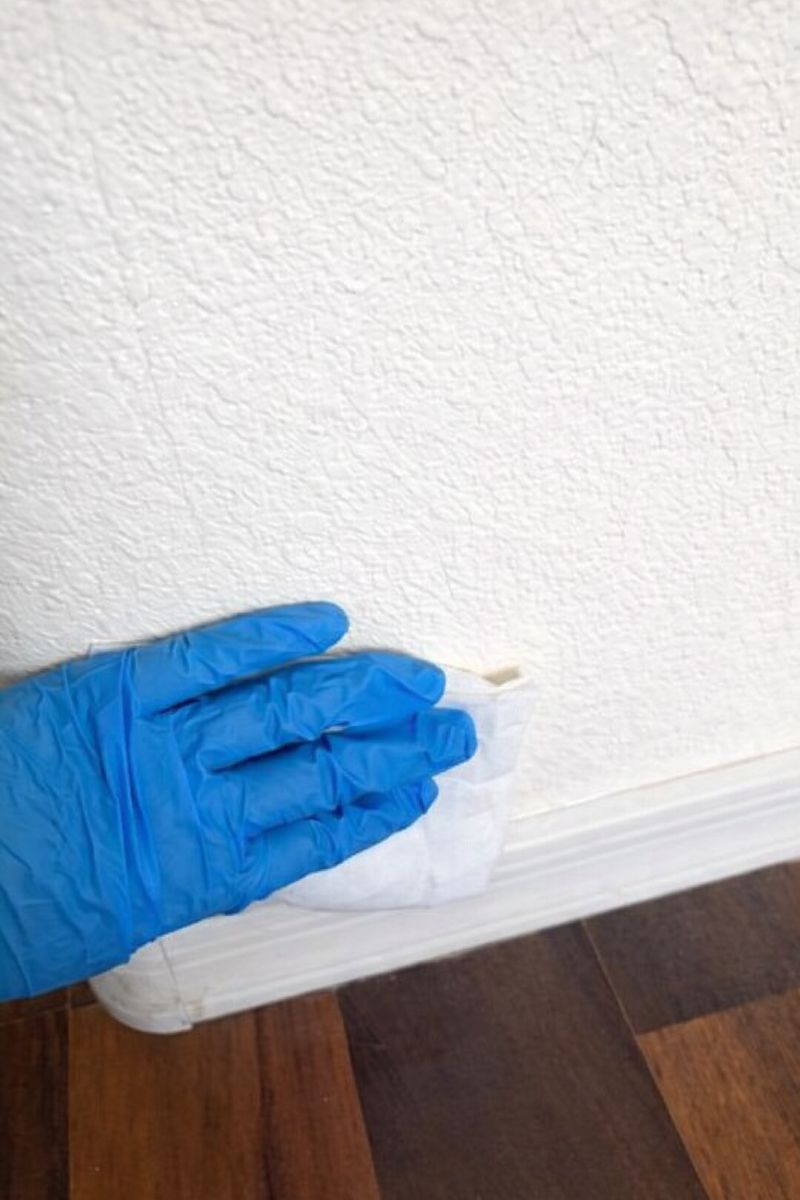
Sample collection is the foundation of meaningful environmental analysis. While laboratory methods are highly standardized, the value of the results depends largely on how and where samples are collected. Having the expertise of an IEP or environmental consultant is essential for proper guidance.
Dust is not just debris—it’s a footprint of what has happened in a space over time. Older dust can reveal long-term mold burden and ongoing environmental concerns, whereas newer dust, typically accumulated over six weeks, tends to capture spores that are actively being produced, helping to identify current mold activity.
Sampling multiple rooms (zones) helps identify specific problem areas. Contact an IEP or environmental consultant if you need help determining the best zones to sample or whether an outdoor sample would be helpful. Important considerations include how many rooms are sampled, the size of the areas involved, and the specific locations selected for collection. Together, these decisions help shape the story the data tells and often guide whether further investigation is needed.
Choose the Right Sampling Locations
Each home and indoor environment is unique. Considerations such as the home’s history of water damage, age, humidity levels, number of occupants, and time of year—among other factors—determine how and where dust should be collected. Additionally, mold spores are not evenly distributed throughout a home due to differences in particle shape and density, so it is important to sample from different heights.
Some areas to consider sampling include:
- Shelving at various levels
- Tops of baseboards (away from main walking paths and entry doors)
- Wood furniture
- Light fixtures and tops of fans
- Walls without flat paint
- Windowsills where windows are not regularly opened
Note: Avoid sampling from HVAC systems, ductwork, registers, air purifiers, or vacuum bags. Aggregated dust may have different concentrations than naturally settled dust.