
Inhibition occurs when substances interfere with the PCR (qPCR) process, which is the technique used to detect and identify species and quantify mold spores. ERMI tests rely on qPCR to detect and quantify mold DNA. These inhibitors can prevent proper amplification, leading to false negatives and unreliable results.
Why Inhibition Is a Problem
- Inaccurate ERMI scores: Results may appear artificially low.
- Invalid testing: The lab may be unable to process the sample, requiring re-sampling and increasing the cost of the test.
- False reassurance: A home may appear to have a low mold burden when a significant issue may exist.
How to Avoid Inhibition
- Avoid contaminated areas:
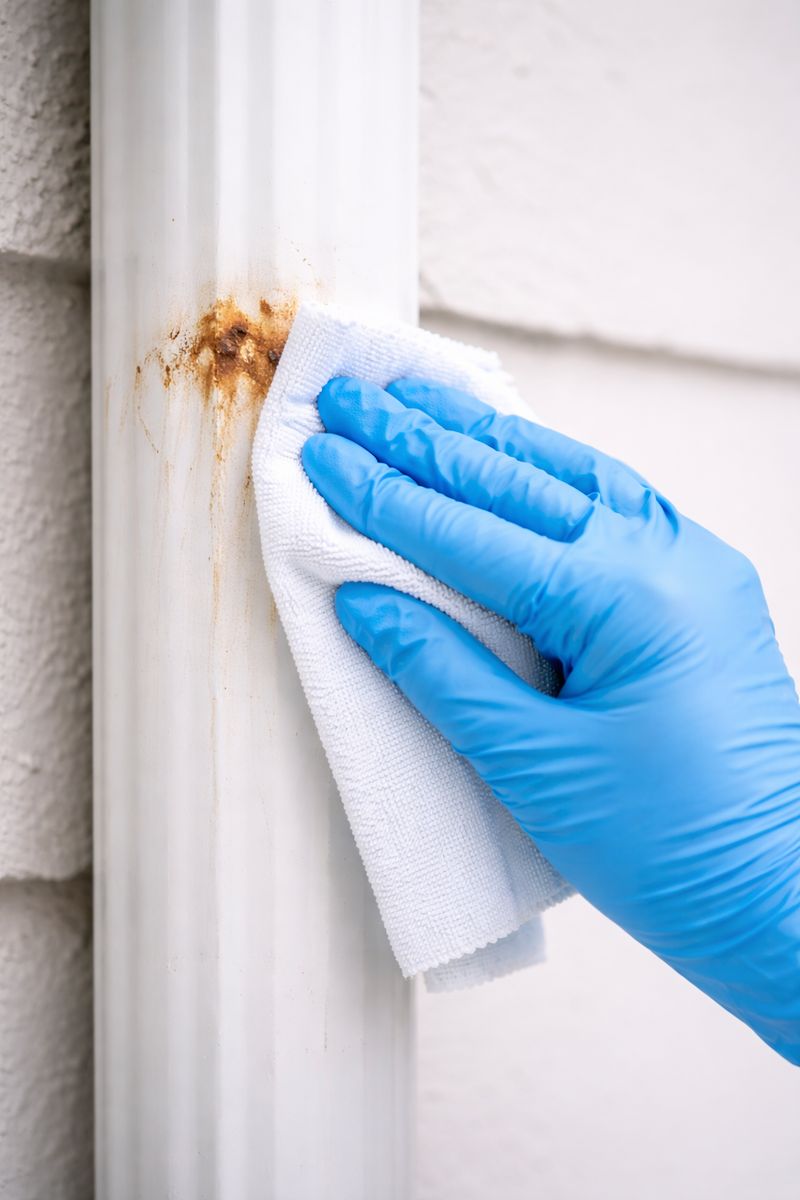
Do not collect samples from visible mold, construction dust, flat paint, rusty surfaces, cat litter, areas with essential oils, or areas recently cleaned with strong chemicals.
Note: If strong cleaning products or biocides were recently used, cleaning surfaces with a solution of 5 drops of dish soap per quart of water, then allowing them to dry before sampling, may reduce possible inhibition.
If you suspect possible inhibition, LIS Biotech can offer an inhibition check prior to running the full panel for an additional fee.